Make Money with Blogging in Kenya (2026): The Complete Guide to Blogging Income

 TIMEBUCKS
Low minimum
payout of just
$3 — start
earning today!
Can you really make money with blogging in Kenya? Absolutely — and thousands of Kenyan bloggers are already doing it. From earning a few thousand shillings on the side to building full-time online businesses, blogging has become one of the most accessible and scalable income streams available to Kenyans today.
But here is the honest truth: blogging is not a get-rich-quick scheme. It requires consistency, strategy, and patience. The bloggers who succeed are those who treat it like a real business from day one.



In this complete guide, you will learn how to start a blog in Kenya, grow your traffic, and unlock multiple blogging income Kenya streams — even if you are starting from scratch with zero experience.
Why Blogging Is Still a Powerful Income Source in Kenya in 2026
With TikTok and YouTube growing fast, many people wonder if blogging is still worth it. The answer is a firm yes — and here is why:
- Google search traffic is massive and free — Millions of Kenyans search Google daily for information, advice, and product recommendations
- Blog content lasts for years — A well-written article can rank on Google and drive traffic for 3–5 years with little maintenance
- Multiple monetisation options — Ads, affiliates, digital products, sponsorships, and more
- Low startup cost — You can start a professional blog for as little as KSh 3,000–KSh 5,000
- Works 24/7 — Your blog earns money even when you are asleep or offline
- Complements other hustles — A blog amplifies your freelancing, consulting, or product business
Blogging in Kenya is not saturated — it is still wide open for those willing to put in the work.
Step-by-Step: How to Start a Blog in Kenya
Step 1: Choose Your Niche
Your niche is the specific topic your blog will focus on. Choosing the right niche is the single most important decision you will make as a blogger.
High-earning blog niches in Kenya:
- Personal Finance — Investing, saving, loans, SACCOs, budgeting (highest AdSense RPM)
- Business and Entrepreneurship — Starting businesses, side hustles, online work
- Health and Wellness — Fitness, mental health, nutrition
- Travel — Kenya tourism, safari guides, travel tips
- Technology — Reviews, how-to guides, apps, gadgets
- Parenting and Family — Pregnancy, childcare, education
- Food and Recipes — Kenyan cuisine, recipes, restaurant reviews
- Education — KCSE resources, university guides, scholarships
💡 Tip: Choose a niche you are genuinely knowledgeable and passionate about. Readers and search engines both reward authentic expertise.
Step 2: Choose a Blogging Platform
For serious blogging income in Kenya, the best platform is WordPress.org (self-hosted). Avoid free platforms like Blogger or WordPress.com if you intend to monetise professionally — they limit your control and earning potential.
Recommended setup:
- Platform: WordPress.org (free software)
- Hosting: Hostinger, Bluehost, or SiteGround (KSh 300–KSh 800/month)
- Domain name: Purchase a .com or .co.ke domain (KSh 1,000–KSh 1,500/year)
📌 Kenya Tip: Hostinger offers one of the most affordable hosting packages for Kenyan bloggers and accepts M-Pesa payments. A basic plan starts from as low as KSh 299/month.
Step 3: Set Up Your Blog
- Purchase your domain name and hosting
- Install WordPress (most hosts offer a one-click install)
- Choose a clean, fast theme — Astra, GeneratePress, or Kadence are free and SEO-friendly
- Install essential plugins:
- Yoast SEO or Rank Math — For search engine optimisation
- WP Super Cache — For fast page loading
- Akismet — To block spam comments
- MonsterInsights — To connect Google Analytics
Step 4: Create High-Quality Content
Content is the engine of your blog. Without great articles, no amount of monetisation strategy will work. Focus on:
- Answering questions Kenyans search for on Google
- Writing long-form, detailed articles (1,500–3,000 words)
- Using clear headings, bullet points, and short paragraphs
- Including real examples, data, and practical steps
- Publishing consistently — Aim for at least 2–4 articles per month
Types of content that rank well and earn well:
- “How to” guides — How to apply for a HELB loan in Kenya
- Listicles — 10 best SACCOs in Kenya for 2026
- Reviews — Equity Bank vs KCB — which is better?
- Comparisons — WordPress vs Blogger for Kenyan bloggers
- News commentary — What the new tax laws mean for Kenyan businesses
Step 5: Drive Traffic to Your Blog
You can have the best blog in Kenya, but if no one reads it, you earn nothing. Here are the most effective traffic sources for Kenyan bloggers:
- SEO (Search Engine Optimisation) — Optimise your articles to rank on Google. This is the most valuable long-term traffic source
- Facebook — Share articles in relevant Kenyan Facebook groups and on your page
- WhatsApp — Build a WhatsApp channel or broadcast list and share new articles
- Pinterest — Highly effective for food, travel, fashion, and lifestyle blogs
- Twitter/X — Good for news, finance, and tech niches
- Email newsletter — Build a subscriber list using Mailchimp (free) and send new posts directly to readers
Step 6: Monetise Your Blog
This is where blog monetization Kenya becomes real. Once your blog has consistent traffic (500–1,000 monthly visitors minimum), you can start earning through multiple channels.
How to Monetise Your Blog in Kenya: 6 Proven Methods
1. Google AdSense
Google AdSense is the most common starting point for blogging income in Kenya. Once approved, Google displays ads on your blog and pays you every time a visitor views or clicks on an ad.
How to get approved:
- Have at least 20–30 quality articles published
- Ensure your blog has an About page, Contact page, and Privacy Policy
- Your content must comply with Google’s policies
- Apply at adsense.google.com
Earnings: Kenyan blogs typically earn KSh 500–KSh 5,000 per 10,000 page views depending on niche. Finance and business blogs earn the most.
📌 Real example: A Kenyan personal finance blog with 80,000 monthly page views can earn KSh 40,000–KSh 120,000/month through AdSense alone.
2. Affiliate Marketing
Affiliate marketing is often the highest-earning blog monetization Kenya strategy. You recommend products or services, and earn a commission when readers purchase through your link.
Best affiliate programmes for Kenyan bloggers:
| Programme | Commission | Best For |
|---|---|---|
| Jumia Affiliate | Up to 11% | Product review blogs |
| Amazon Associates | 1%–10% | Tech, books, lifestyle |
| Hostinger Affiliate | Up to $150/sale | Tech and blogging blogs |
| Bluehost Affiliate | $65–$130/sale | Blogging and business blogs |
| Kilimall Affiliate | Varies | E-commerce product blogs |
| Safaricom Partners | Varies | Tech and telecom content |
Pro tip: Write honest, in-depth product reviews and comparison articles. These rank well on Google and convert readers into buyers naturally.
3. Sponsored Content and Brand Deals
Once your blog has a loyal audience, brands will pay you to write articles featuring their products or services. This is one of the most lucrative blogging tips Kenya experts recommend for growing your income.
How to attract sponsors:
- Build a media kit showing your traffic stats, audience demographics, and social media reach
- Reach out to Kenyan brands in your niche directly via email
- List your blog on influencer marketplaces like Bloggers.com or AspireIQ
- Join Kenyan blogger communities and networks on Facebook and WhatsApp
Typical rates: Sponsored posts in Kenya range from KSh 5,000 to KSh 100,000+ depending on your traffic and niche authority.
4. Selling Digital Products
Your blog is a perfect storefront for digital products. Because your readers already trust you, they are much more likely to buy from you than from a stranger.
Digital products Kenyan bloggers sell:
- eBooks (e.g., The Kenyan Blogger’s Guide to Making Money Online)
- Online courses (video lessons hosted on Teachable or Udemy)
- Templates (CV templates, business plan templates, budget spreadsheets)
- Paid newsletters or membership content
- Printable guides and workbooks
Where to sell:
- Gumroad — Simple setup, instant payments
- Payhip — Accepts M-Pesa payments for Kenyan buyers
- WooCommerce — Sell directly from your WordPress blog
5. Offering Freelance Services
Your blog positions you as an expert in your niche. Use it as a portfolio to attract freelance clients — particularly if you blog about writing, design, marketing, finance, or tech.
Services Kenyan bloggers offer:
- Freelance writing and content creation
- SEO consulting and website audits
- Social media management
- Graphic design
- Online coaching and consulting (1-on-1 sessions via Zoom)
Many successful Kenyan bloggers earn more from services than from ads — especially in the early stages.
6. Display Advertising Beyond AdSense
Once your blog reaches 50,000+ monthly page views, you can apply for premium ad networks that pay significantly more than AdSense.
Premium ad networks to consider:
- Mediavine – Requires 50,000 sessions/month. Best RPMs for lifestyle, food, and travel blogs
- AdThrive (Raptive) – Requires 100,000 monthly page views. Top-tier earnings
- Ezoic – Accepts smaller blogs (10,000+ visits) and uses AI to optimise ad placement
How Much Can You Earn Blogging in Kenya?
Here is a realistic income breakdown based on blog traffic and monetisation:
| Monthly Traffic | Estimated Monthly Income | Primary Source |
|---|---|---|
| 5,000 page views | KSh 2,000 – KSh 8,000 | AdSense |
| 20,000 page views | KSh 10,000 – KSh 35,000 | AdSense + Affiliates |
| 50,000 page views | KSh 30,000 – KSh 80,000 | AdSense + Affiliates + Sponsored posts |
| 100,000 page views | KSh 60,000 – KSh 200,000+ | All channels combined |
| 300,000+ page views | KSh 200,000 – KSh 600,000+ | Full-time blogging business |
⚠️ Honest note: These figures are realistic ranges, not guarantees. Results depend heavily on your niche, content quality, SEO strategy, and consistency.
Essential Blogging Tips for Kenyan Bloggers
- Focus on SEO from day one — Learn keyword research using free tools like Google Keyword Planner, Ubersuggest, or Ahrefs free tier
- Write for humans first, search engines second — Helpful, readable content always outperforms keyword-stuffed articles
- Be consistent — Publish regularly even when traffic is slow. Most blogs take 6–12 months to gain real traction
- Build an email list early — Your email subscribers are your most loyal and monetisable audience
- Learn basic analytics — Use Google Search Console and Google Analytics to understand what is working
- Interlink your articles — Link related posts together to keep readers on your site longer
- Update old content — Refreshing existing articles with new information helps them maintain and improve rankings
- Engage with your readers — Reply to comments and emails to build community and loyalty
Common Blogging Mistakes to Avoid in Kenya
- Choosing a niche with no search demand — Validate your niche with keyword research before starting
- Publishing thin, low-quality articles — Google penalises short, unhelpful content. Aim for depth and value
- Ignoring SEO — Without SEO, your blog is invisible to Google
- Monetising too early — Focus on growing traffic for the first 3–6 months before applying for AdSense
- Copying content from other sites — Plagiarism results in Google penalties and possible legal consequences
- Neglecting page speed — A slow blog loses visitors. Use a lightweight theme and caching plugin
- Giving up in the first 6 months — Most successful Kenyan blogs did not earn significantly until month 9–18
Pros and Cons of Blogging in Kenya
| ✅ PROS | ❌ CONS |
|---|---|
| Low startup cost (KSh 3,000–KSh 5,000) | Takes 6–18 months to earn meaningful income |
| Passive income once articles rank on Google | Requires consistent content creation and learning |
| Multiple monetisation channels available | SEO and writing skills need to be developed |
| Work from anywhere with internet access | Income is variable, not fixed like a salary |
| Builds your personal brand and authority | Competition exists in popular niches |
| Can grow into a full-time business | Hosting and domain renewals are ongoing costs |
Tools Every Kenyan Blogger Needs
| Tool | Purpose | Cost |
|---|---|---|
| WordPress.org | Blogging platform | Free |
| Hostinger / Bluehost | Web hosting | KSh 299–KSh 800/month |
| Rank Math / Yoast SEO | SEO optimisation | Free |
| Google Search Console | Track search rankings | Free |
| Google Analytics | Monitor blog traffic | Free |
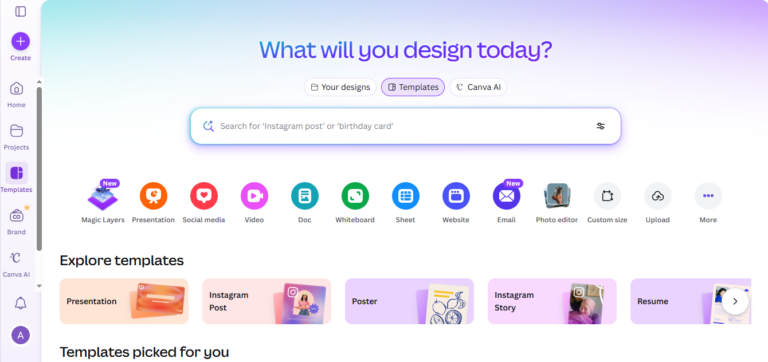
| Canva | Create blog graphics and featured images | Free / KSh 1,200/month |
| Mailchimp | Build and manage email list | Free up to 500 subscribers |
| Ubersuggest | Keyword research | Free tier available |
| Grammarly | Proofread your writing | Free / Premium |
Frequently Asked Questions (FAQs)
How much does it cost to start a blog in Kenya?
You can start a professional blog in Kenya for as little as KSh 3,000–KSh 5,000. This covers a domain name (KSh 1,000–KSh 1,500/year) and basic web hosting (from KSh 299/month on Hostinger). WordPress itself is free. Total first-year cost is typically KSh 5,000–KSh 12,000 depending on the hosting plan you choose.
How long does it take to make money blogging in Kenya?
Most Kenyan bloggers start earning small amounts from AdSense within 3–6 months of consistent publishing. Significant income — KSh 20,000/month or more — typically takes 12–24 months of consistent work. Bloggers who focus on SEO, publish quality content regularly, and diversify their income streams tend to reach this milestone faster.
Which blog niche makes the most money in Kenya?
Personal finance, investing, and business blogs earn the most money in Kenya — largely because Google AdSense pays higher rates (RPM) for financial content. Other high-earning niches include technology, health, and travel. That said, the best niche for you is one where you have genuine expertise and passion, as authentic content outperforms generic content in the long run.
Can I start a blog in Kenya using my phone?
Yes, you can manage a WordPress blog entirely from a smartphone using the WordPress mobile app. You can write and publish articles, monitor traffic via the Google Analytics app, and manage your AdSense account from your phone. However, a laptop or desktop computer makes content creation, SEO, and site management significantly easier and faster.
Do Kenyan bloggers pay tax on blogging income?
Yes. Blogging income — whether from AdSense, affiliate marketing, or sponsored posts — is taxable income in Kenya. You are required to declare it to the Kenya Revenue Authority (KRA) through your iTax account. If you earn above the tax-exempt threshold (KSh 288,000 annually), you will need to pay income tax. It is advisable to consult a tax professional or use KRA’s iTax platform to file correctly and avoid penalties.
Conclusion: Start Your Blogging Journey in Kenya Today
Learning how to make money with blogging in Kenya is one of the best investments you can make in 2026. With a low startup cost, multiple income streams, and the power of Google search traffic working in your favour around the clock, a blog is one of the few businesses that can genuinely earn while you sleep.
The path is clear: choose a niche you know well, set up a WordPress blog, publish consistent and helpful content, apply SEO principles from day one, and monetise through AdSense, affiliate marketing, digital products, and sponsorships.
It will not happen overnight. But with patience and consistency, blogging income in Kenya can grow from a small side hustle into a full-time business that gives you financial freedom and location independence.
Read also:
- Make Money with Affiliate Marketing in Kenya
- Best Online Businesses in Kenya
- Passive Income Ideas in Kenya
- How to Make Money with ChatGPT in Kenya
TIMEBUCKS
Low minimum
payout of just
$3 — start
earning today!