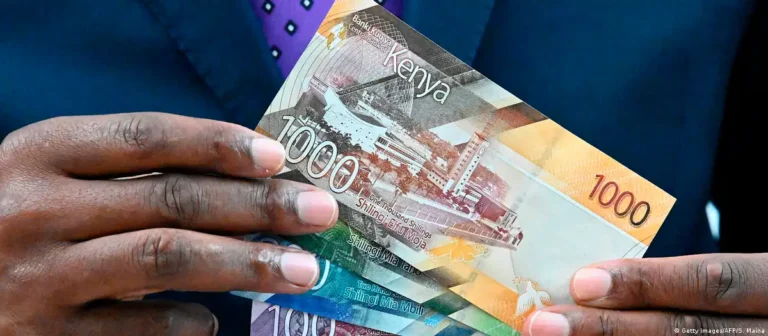
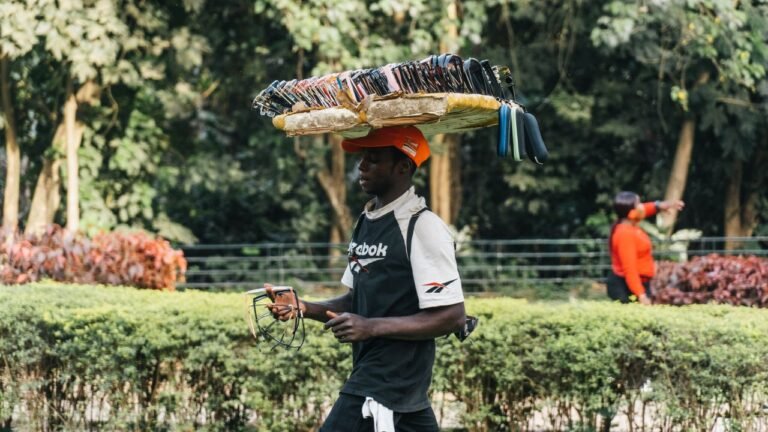
Best Side Hustles in Kenya (2026): What Actually Pays, What It Costs, and How to Start

 TIMEBUCKS
Low minimum
payout of just
$3 — start
earning today!
If you’re searching for the best side hustles in Kenya, you’ve probably already scrolled past a dozen articles promising “easy money” with no real numbers behind them.
This one is different. Every option below is measured against three questions: What does it actually cost to start in Kenya today? How do you get paid here — M-Pesa, bank, or otherwise? And what’s a realistic income range, not a fantasy one?


There is no single “best” side hustle for everyone. The right one depends on whether you have a smartphone or a car, whether you can work online in English, how much capital you can risk, and how many hours you have outside your job, business, or studies.
This guide breaks down eight side hustles that genuinely work for Kenyans in 2026, what each one demands, and how to avoid the mistakes that waste beginners’ time and money.
Quick Comparison: Side Hustles in Kenya at a Glance
| Side Hustle | Startup Cost | Skill Level | Time to First Income | Realistic Monthly Income (part-time) |
|---|---|---|---|---|
| Online freelancing (Upwork/Fiverr) | KSh 0–3,000 (data + CV/portfolio) | Medium–High (a marketable skill) | 2–8 weeks | KSh 15,000–150,000+ |
| Ride-hailing (Uber/Bolt) | KSh 0 if you own a car; KSh 15,000+/month if hiring one | Low (driving + PSV paperwork) | Same day–1 week | KSh 20,000–50,000 net |
| YouTube content creation | KSh 0–20,000 (phone you likely have + basic mic/lighting) | Medium (consistency, editing) | 6–18 months | KSh 0 early on; KSh 10,000–100,000+ once monetized |
| TikTok/Instagram content + brand deals | KSh 0–10,000 | Medium (content, negotiation) | 2–6 months | KSh 3,000–50,000+, highly variable |
| Graphic design / VA / writing for local clients | KSh 0–5,000 (software, data) | Medium | 2–6 weeks | KSh 10,000–60,000 |
| Reselling / social commerce (WhatsApp, Instagram shops) | KSh 5,000–50,000 stock | Low–Medium | 1–4 weeks | KSh 5,000–40,000 |
| M-Pesa/mobile money agent | KSh 50,000–300,000+ (float, rent, stock) | Low | 1–3 months to stabilise | KSh 15,000–60,000 net |
| Delivery/errands (Glovo-type apps, boda) | KSh 0–150,000 (motorbike if you don’t own one) | Low | Same day–1 week | KSh 15,000–40,000 |
These figures are estimates drawn from platform documentation and Kenyan reporting current as of 2026, not guarantees. Your actual income depends heavily on location, hours worked, competition, and consistency.
Read also: Low Capital Side Hustles in Kenya: What You Can Realistically Start With Under KSh 5,000
1. Online Freelancing (Upwork, Fiverr, and Direct Clients)
What it is: Selling a skill — writing, graphic design, virtual assistance, web development, data entry, video editing, bookkeeping — to clients abroad who pay in US dollars, through marketplaces like Upwork and Fiverr, or directly.
How it works in Kenya: You build a profile, pitch or get discovered for jobs, deliver the work, and the platform releases payment to your account after the client approves it.
What it costs to start: Realistically KSh 0–3,000 if you already own a laptop or smartphone and have data. Upwork’s entry tier is free; you buy “Connects” to bid on jobs, which cost a small amount once your free monthly allocation runs out. Fiverr is free to list gigs on.
How much you can realistically make: This varies enormously by skill and experience level. Kenyan writers and virtual assistants on Upwork commonly charge in the range of KSh 1,500–5,000 per hour once established, while experienced developers can command significantly more — but almost nobody hits those numbers in month one. Expect the first month to involve unpaid profile-building and likely rejections before your first paid job lands.
How to get paid in Kenya:
- Upwork offers a direct M-Pesa withdrawal option specifically for Kenyan freelancers, with a limit of KSh 70,000 per transaction. Withdrawals become active three business days after you add the method, and the name on your M-Pesa line must exactly match your verified Upwork name, or the transfer can be delayed for weeks.
- Fiverr does not support direct M-Pesa withdrawal. You withdraw to PayPal, Payoneer, or a bank account first, then move the money to M-Pesa yourself — typically adding a few extra days to the process. Fiverr also holds new sellers’ earnings for 14 days after order completion (7 days for Top Rated sellers) before you can withdraw at all.
- Payoneer is widely used as a middle step because it connects directly to Kenyan banks with relatively low fees on marketplace payouts.
Step-by-step to start:
- Pick one skill you can already do competently — don’t try to offer five services at once.
- Build a simple portfolio (even 2–3 sample pieces of unpaid practice work is enough to start).
- Create your Upwork or Fiverr profile with a clear, specific description of what you do.
- Apply to 5–10 realistic (not oversaturated) jobs per day on Upwork, or optimize 2–3 Fiverr gigs with clear pricing tiers.
- Set up your withdrawal method (M-Pesa for Upwork; Payoneer/PayPal for Fiverr) before your first payment lands, since activation takes a few days.
- Deliver your first jobs slightly above expectation to earn reviews — reviews are what get you your second and third client.
Skills needed: Essential — basic written English, reliability, ability to meet deadlines. Useful — a specific in-demand skill (SEO writing, Canva/Photoshop design, Excel, basic coding, customer support experience).
Common mistakes: Applying to every job regardless of fit (wastes paid Connects on Upwork); setting Fiverr prices too low and getting stuck as a “cheap gig” seller; ignoring the name-matching requirement on payment methods, which delays your first payout by weeks.
2. Ride-Hailing: Uber and Bolt
What it is: Driving passengers using your own car (or a hired one) through the Uber or Bolt apps.
What it costs to start: If you already own a qualifying vehicle, your main costs are documentation: a PSV badge from NTSA (issued through the TIMS/eCitizen portal), a Certificate of Good Conduct (KSh 1,050, valid one year), an NTSA vehicle inspection (around KSh 1,000 plus the inspection station’s fee), a KRA PIN, and PSV/commercial insurance — your regular private motor policy does not cover ride-hailing. If you don’t own a car, both platforms connect drivers to vehicle rental or hire-purchase partners, which typically means daily or weekly rental payments before you see any profit.
Requirements: You must generally be at least 21 years old, hold a valid Kenyan driving licence, and — for the PSV badge specifically — meet NTSA’s own age and experience rules (a separate PSV licence class requires being at least 24 with several years of driving experience, depending on vehicle class). Vehicles typically need to be a certain age or newer (commonly 2016 or later, varying by service tier) and pass NTSA inspection.
How much you can realistically make: Reports from Nairobi-based drivers suggest gross daily takings in the range of KSh 3,000–6,000 for an active full day of driving, before deducting fuel, Bolt/Uber’s commission (Bolt has publicly stated an 18% commission plus VAT), maintenance, and any car loan or rental payment. If you’re driving a financed vehicle, net profit can be near zero in the first year while you’re servicing the loan; once the car is paid off, net monthly income commonly cited by drivers falls in the KSh 30,000–50,000 range, with wide variation by city, hours worked, and vehicle costs. Nairobi and Mombasa generally offer more consistent demand than smaller towns.
How to get paid: Both platforms pay drivers electronically on a weekly cycle to a linked bank account or mobile money account — check the current payout schedule inside your driver app, as timing details can change.
Step-by-step to start:
- Confirm your car meets the platform’s minimum year, condition, and door requirements (check the Uber or Bolt driver app directly — requirements differ by city and vehicle tier).
- Apply for your PSV badge via the NTSA TIMS portal, and your Certificate of Good Conduct via eCitizen/DCI.
- Book and pass your NTSA vehicle inspection.
- Buy PSV/commercial insurance from an IRA-licensed insurer.
- Register in the Uber Driver or Bolt Driver app and upload all documents for verification.
- Attend the platform’s short onboarding/training session if required.
- Go online during peak hours first (morning and evening rush) to learn demand patterns before committing to full-time hours.
Common mistakes: Financing an expensive car before confirming real demand in your area; ignoring fuel and maintenance costs when calculating “profit”; driving without PSV insurance (your claim will likely be rejected in an accident, since private policies exclude commercial passenger use).
3. Content Creation: YouTube, TikTok, and Instagram
What it is: Building an audience around a niche (comedy, finance, cooking, tech reviews, commentary) and monetizing through ad revenue, brand deals, or affiliate links.
Important correction for 2026: Many articles assume TikTok’s Creator Rewards Program (the direct pay-per-view scheme) is available in Kenya because it exists elsewhere. It is not. As of 2026, TikTok’s Creator Rewards Program is limited to a small list of markets — the US, UK, Germany, France, Japan, South Korea, Brazil, and Mexico — and no African country is currently included, despite TikTok describing Kenya as one of its most important African markets. If a “guide” tells you to simply hit 10,000 followers and TikTok will start paying you per view in Kenya, that is outdated or incorrect information.
What actually works for Kenyan creators on TikTok: LIVE Gifts (viewers send virtual gifts you convert to cash, subject to TikTok’s cut), brand partnerships (TikTok’s Kenyan creator-partner ecosystem, including agencies like Wowzi, has reportedly helped Kenyan creators earn a combined KSh 45 million-plus in brand deals over roughly the program’s first year), and the TikTok Shop affiliate program where available.
YouTube is different and does work in Kenya. Kenya is an eligible country for the YouTube Partner Programme. Once you meet YouTube’s subscriber and watch-hour thresholds and link a Kenyan AdSense account, you receive ad revenue in USD, paid into a Kenyan bank account. Shorts pay considerably less per 1,000 views than long-form video, so treat Shorts mainly as a discovery tool rather than your main income source.
What it costs to start: Close to zero if you already own a decent smartphone — most mid-range Android phones shoot acceptable 1080p video. A basic ring light and lapel microphone together typically cost KSh 2,000–4,500 in Kenya and meaningfully improve production quality.
Realistic timeline and income: This is the hustle where patience matters most. Building an audience large enough to monetize meaningfully commonly takes 6–18 months of consistent posting (3–5 times a week is a common minimum cadence recommended by Kenyan creator guides). Many creators earn nothing for the first several months. Once monetized, income is highly variable — a mix of ad revenue, brand deals, and affiliate income rather than one guaranteed number.
How to find opportunities: Once you have a few thousand engaged followers, apply to TikTok’s Creator Marketplace (where brands search for creators), reach out directly to Kenyan SMEs in your niche with a simple one-page media kit, and join creator WhatsApp/Telegram groups where local brand briefs circulate.
Common mistakes: Chasing follower count instead of a specific niche and audience; assuming Kenya has direct TikTok ad-revenue payouts (it doesn’t, as of 2026); neglecting original long-form YouTube content in favor of only short clips, which limits your monetizable watch hours.
4. Graphic Design, Copywriting, and Virtual Assistance for Local Clients
What it is: The same freelance skills as Section 1, but sold directly to Kenyan businesses (salons, real estate agents, SACCOs, small retailers) instead of international clients on marketplaces.
Why it’s worth separating from international freelancing: Local clients pay in KSh via M-Pesa instantly — no Payoneer, no name-matching delays, no 14-day holds. Rates per job are lower than USD international rates, but cash flow is faster and more predictable, which matters if you need income sooner rather than later.
What it costs to start: Canva’s free tier covers basic design work; a KSh 1,190/month Canva Pro subscription (check current pricing, as it changes) unlocks more templates and brand-kit tools if you go further. WhatsApp Business (free) is often your main client-communication and portfolio-sharing tool.
How to find your first clients: Generic “use social media” advice isn’t useful — here’s what actually works in Kenya: post before/after design samples in local business Facebook groups and WhatsApp business communities (many towns and estates have active ones); offer your first 2–3 jobs at a discounted “starter rate” in exchange for a testimonial and referral; approach small businesses that clearly have outdated branding (a shop with a blurry, low-res logo is a warm lead, not a cold one); and ask every satisfied client for one referral by name, rather than a generic “share my page” request.
Realistic income: Highly dependent on your city and niche, roughly KSh 10,000–60,000 per month part-time, scaling with reputation and repeat clients.
5. Reselling and Social Commerce (WhatsApp, Instagram, Facebook Marketplace)
What it is: Buying goods (clothes, shoes, electronics accessories, cosmetics) in bulk or on order, and reselling them through WhatsApp status, Instagram, or Facebook groups, often without holding large inventory.
What it costs to start: This is genuinely scalable from a small budget. A minimum viable setup — a handful of items to photograph and sell on order — can start around KSh 5,000–15,000; a fuller starter stock more commonly runs KSh 20,000–50,000. Mitumba (secondhand clothing) bales, for instance, are a common low-capital entry point in Kenyan markets, though quality and pricing vary by supplier and season, so verify current bale prices at your local market before committing capital.
How to get paid: M-Pesa Till number (Buy Goods) is the standard for social commerce in Kenya — it’s free for the customer to pay and keeps a clean transaction record, which also matters if KRA ever asks about your income sources. Avoid asking customers to send to a personal phone number for larger amounts; a Till or Paybill number looks more professional and is easier to reconcile.
How to find your first customers: Start within your existing network (family WhatsApp groups, church/mosque groups, campus or workplace chat groups) before spending on ads; post consistent, well-lit photos rather than stock images pulled from Google, since buyers are wary of scam pages; and consider a small, targeted Instagram or Facebook boost (as little as KSh 500–1,000) once you have real product photos and at least a few completed sales to show as proof of legitimacy.
Realistic income: KSh 5,000–40,000 monthly part-time is a reasonable range for someone reselling consistently with modest stock; income scales with reinvested capital and how efficiently you turn over stock.
Common mistakes: Overbuying stock before confirming demand; underpricing to compete on price alone instead of on reliability and photos; not tracking which items actually sell, leading to dead stock that ties up capital.
6. Mobile Money Agent Business (M-Pesa / Airtel Money)
What it is: Running a shop or kiosk where customers deposit and withdraw cash against their mobile money balance, earning commission per transaction from Safaricom or Airtel.
Honest capital reality: This is not a low-capital side hustle, and treating it as one is a common mistake. Safaricom requires a minimum float balance on your M-Pesa till line, and realistic total starting capital — covering float, shop rent, signage, and a safe — commonly runs from around KSh 50,000 for a very small outlet up to KSh 300,000 or more for a fuller setup. Becoming a direct Safaricom agent also requires operating as a registered company with at least three outlets that have traded for a minimum period, which puts direct agency out of reach for most individual side-hustlers; most beginners instead operate as a sub-agent under an existing licensed dealer, which requires less capital and fewer formal requirements.
How you earn: Safaricom pays commission on qualifying deposit and withdrawal transactions, credited monthly to the agent’s account, less a 5% withholding tax. Commission structures are tiered by transaction size and are set by Safaricom, subject to change.
Realistic income: With Kenya’s agent network having grown past 300,000 outlets, individual agent earnings have declined from their peak years ago as competition increased. Realistic net monthly income for a modest outlet is commonly estimated in the KSh 15,000–60,000 range, heavily dependent on location and foot traffic — a kiosk on a busy market road will vastly outperform one on a quiet residential street.
Who this suits: People who already have meaningful capital (from savings, a loan, or an existing business) and a genuinely high-traffic location — not a first side hustle for someone starting with a few thousand shillings.
7. Delivery and Errand Gig Work
What it is: Delivering food, parcels, or groceries through apps, or offering boda boda transport, in cities where these services operate.
What it costs to start: If you already own a motorbike, costs are mainly registration, a helmet, and fuel. If you need to buy a motorbike, expect a meaningful upfront cost (commonly upward of KSh 100,000–150,000 for a basic new bike, less for used), or a hire-purchase arrangement with daily repayments that eat into early profit — similar to the car-financing dynamic in ride-hailing.
Realistic income: Commonly cited in the KSh 15,000–40,000 monthly range part-time, depending on hours, city, and whether you own your bike outright or are still paying it off.
Who this suits: People with an existing motorbike and PSV/boda documentation looking for flexible, low-skill-barrier income, particularly in Nairobi, Mombasa, and other larger towns where delivery-app demand is concentrated.
How to Get Paid in Kenya: A Quick Reference
- M-Pesa remains the default for local clients, resellers, and gig work — instant, widely trusted, and (for Buy Goods/Till payments) free for the payer.
- International freelance platforms vary: Upwork supports direct M-Pesa withdrawal (KSh 70,000 limit per transaction); Fiverr does not support M-Pesa directly and requires PayPal, Payoneer, or bank transfer as an intermediate step.
- Payoneer is commonly used as a bridge between international marketplaces and Kenyan banks, generally with lower fees on marketplace-specific payouts than on payments from other businesses.
- Whichever method you use, keep your registered name consistent across your ID, M-Pesa line, and any payment platform — name mismatches are one of the most common causes of delayed first payments for new Kenyan freelancers.
Taxes: What You Actually Need to Know
Most people starting a side hustle in Kenya do not need to worry about business tax registration immediately. According to the Kenya Revenue Authority, Turnover Tax (TOT) applies to resident businesses with gross annual turnover between KSh 1,000,000 and KSh 50,000,000, charged at 1% of gross monthly sales; businesses earning below KSh 1,000,000 a year are exempt from TOT, though everyone should still have a KRA PIN. If your side hustle grows past roughly KSh 83,000 a month in turnover, it’s worth registering for TOT and filing correctly, since KRA has increasingly visibility into M-Pesa and bank transaction data. Tax rules are adjusted periodically through Finance Acts, so check the current thresholds on the KRA website before assuming last year’s figures still apply.
Skills You Need Across Most Side Hustles
Essential regardless of hustle: basic financial discipline (separating personal and hustle money, even informally), reliability and communication with clients or customers, and comfort using M-Pesa, WhatsApp Business, and basic smartphone apps.
Useful, hustle-specific: written English for freelancing; negotiation and content consistency for creator work; customer service and cash handling for agent/resale businesses; defensive driving and route knowledge for ride-hailing and delivery.
Pros and Cons, Honestly
Pros: Most options here can start alongside a job, business, or studies. Digital hustles (freelancing, content, reselling) need little to no capital to test. M-Pesa integration makes local payment collection genuinely easy compared to many other markets.
Cons: Income from freelancing and content creation is slow and unpredictable in the first months. Vehicle-based hustles (ride-hailing, delivery) carry real capital risk if you’re financing a vehicle. Mobile money agency requires far more capital than most people expect. Competition has intensified across nearly every option on this list as more Kenyans have entered the gig and creator economy in recent years.
Common Mistakes to Avoid
- Believing a platform feature (like TikTok direct monetization) is available in Kenya just because it’s advertised globally — always verify current Kenya-specific availability before building a strategy around it.
- Financing a vehicle for ride-hailing or delivery before testing demand in your specific area during a trial period.
- Ignoring payment-method name-matching requirements on Upwork and similar platforms, which can delay your first payout by weeks.
- Treating an M-Pesa agent business as a “small side hustle” without budgeting the real float and setup capital it requires.
- Spreading effort across five hustles at once instead of getting one to a stable income first.
Is It Worth It? A Balanced Answer
For most Kenyans with a smartphone, reliable internet, and a specific skill, online freelancing or local client work (Sections 1 and 4) offers the best combination of low startup cost and realistic earning potential — the tradeoff is a slower start while you build a client base and reputation. Ride-hailing and delivery can produce faster, more predictable daily income, but only make sense financially if you already own a qualifying vehicle or can absorb rental/financing costs without going into a loss for months. Content creation has the highest long-term upside on YouTube specifically, but demands genuine patience — treat any promise of TikTok direct-payout income in Kenya with skepticism until the program officially expands here. Reselling suits people who want to start small and scale gradually. Mobile money agency is a legitimate business but requires capital most first-time side-hustlers don’t have; it’s better suited to someone reinvesting savings from an existing income source.
The realistic path for most people is to start with the lowest-capital option that matches a skill they already have, get it to consistent income, and only then reinvest in a second, higher-capital hustle.
Frequently Asked Questions
Can I do a side hustle with no capital at all in Kenya? Yes, if “no capital” means no cash outlay beyond a smartphone and data you already have — freelancing (writing, VA work, basic design on Canva’s free tier) and content creation are the closest to zero-capital options. Almost everything else requires at least a small amount of stock, float, or equipment.
Is TikTok a reliable source of direct income in Kenya? Not through direct per-view payouts — TikTok’s Creator Rewards Program is not available in Kenya as of 2026. Kenyan creators earn through LIVE Gifts, brand deals, and affiliate links instead, which depend more on negotiation and audience quality than on a guaranteed per-view rate.
Which pays faster, Upwork or Fiverr, for a Kenyan freelancer? Upwork’s direct M-Pesa withdrawal option generally gets money into your hands faster once a payment clears, since it skips the extra hop through PayPal or Payoneer that Fiverr currently requires. Fiverr also holds new sellers’ earnings for 14 days after order completion before you can withdraw at all.
Do I need to register a business or pay tax on a small side hustle? Not immediately. Turnover Tax in Kenya only applies once your annual gross turnover exceeds KSh 1,000,000 (about KSh 83,000 a month). Below that, you’re not required to register for TOT, though getting a KRA PIN early is still a reasonable, low-effort step.
Is ride-hailing still profitable in Kenya with rising fuel and living costs? It can be, but mainly for drivers who already own their vehicle outright — commission (commonly reported around 18% plus VAT on Bolt, for example), fuel, and maintenance eat significantly into gross daily takings, and financing a car specifically for ride-hailing can leave you with little or no net profit until the loan is cleared.
What’s the safest side hustle for a complete beginner with a full-time job? Freelancing or reselling within your existing network are generally the lowest-risk starting points, since both can be tested with minimal time and money before you commit to anything requiring a loan, vehicle, or large stock purchase.
How long before a side hustle in Kenya replaces part of my main income? It varies widely, but most people underestimate the timeline. Freelancers commonly report needing several months to reach consistent bookings; content creators often need 6–18 months of consistent posting before monetization becomes meaningful. Treat the first 2–3 months of any hustle as a testing and learning period, not a guaranteed income period.
A final note on verification: Platform policies, fees, payment methods, and monetization program availability in Kenya change without much notice — this was true for TikTok’s monetization rollout, Upwork’s fee structure, and KRA’s tax thresholds even within the past year. Before committing capital or significant time to any option above, check the platform’s official Kenya-specific terms and the KRA website for the current rules.
Read also:
- Online Tutoring Jobs in Kenya: The Complete 2026 Guide
- Sell Photos Online in Kenya (2026): How to Make Money with Photography
- Make Money with Instagram in Kenya (2026): The Complete Influencer and Creator Guide
- Sell on Facebook Marketplace Kenya (2026): The Complete Guide to Making Money
TIMEBUCKS
Low minimum
payout of just
$3 — start
earning today!