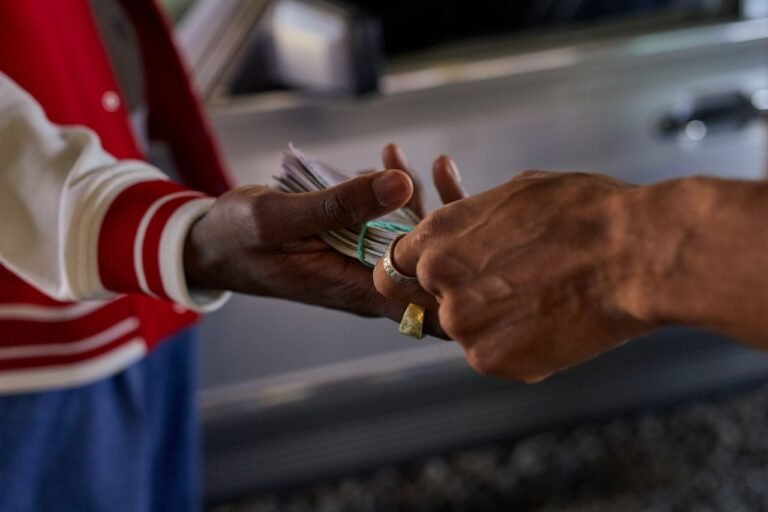
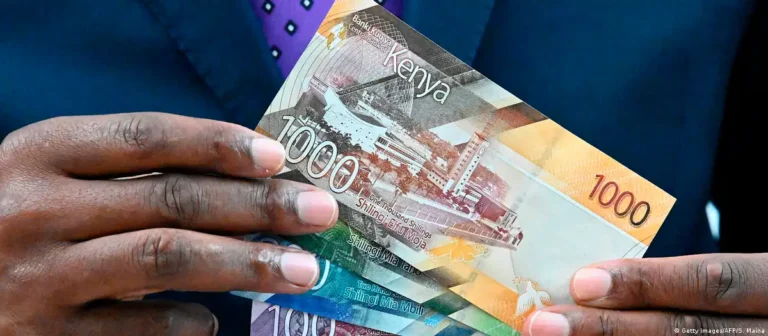
Side Hustles You Can Start With KSh 5,000 in Kenya
 TIMEBUCKS
Low minimum
payout of just
$3 — start
earning today!
KSh 5,000 sits at an awkward but genuinely useful point: it’s too little for a registered shop or a proper wholesale stock, but it’s enough to buy a real starting inventory, basic tools, or a month or two of data bundles for a skill-based hustle — enough that a beginner can actually build something, not just test an idea.
This guide focuses specifically on what KSh 5,000 unlocks that KSh 1,000–2,000 doesn’t, how to split that capital sensibly, and which commonly-listed “KSh 5,000 business ideas” quietly need far more once you account for real costs.



What KSh 5,000 Actually Buys You
At this budget, you cross a few practical thresholds that lower amounts don’t reach:
- A full mitumba bundle or several individually selected pieces, rather than one or two items
- A basic soap-making or FMCG-resale starter batch, though larger production runs still need more
- A secondhand or entry-level sewing machine for basic alterations, if you already have tailoring skill
- A month of consistent data bundles plus a small portfolio investment for freelance or digital work
- Basic tools for a service hustle — shoe cleaning and restoration kits, simple hairdressing tools, or a compact popcorn-making setup from a local jua kali fabricator
What it still doesn’t buy: a car wash setup, an M-Pesa agency float, a registered shop with a Single Business Permit and proper signage, or any business requiring machinery beyond the most basic hand tools.
Several “start with KSh 5,000” articles list soap manufacturing, mitumba retail, or a smokie-and-eggs trolley at this budget — but more detailed cost breakdowns for these same businesses often cite KSh 15,000–50,000+ once you include a proper trolley, larger production batch, or full stall setup.
Treat KSh 5,000 as enough for the smallest genuine version of these businesses, not the version pictured in most success stories.
Side Hustles That Genuinely Fit a KSh 5,000 Budget
| Hustle | Realistic Startup Cost | What Sets It Apart at This Budget | Time to First Sale |
|---|---|---|---|
| Mitumba (secondhand clothes) resale | KSh 3,000–5,000 | A real bundle, not single pieces — better margins and selection | 1–2 weeks |
| Home-based snacks at slightly larger scale | KSh 1,500–4,000 | Enough for daily batches, not just a one-off test | Same week |
| Small FMCG/sachet resale (soap, detergent, lotion sachets) | KSh 3,000–5,000 | A small but real mini-retail stock for your neighborhood | 1–2 weeks |
| Basic tailoring/alterations (with existing skill) | KSh 3,000–5,000 for a secondhand machine, plus thread/materials | Turns an existing skill into a service business, not just resale | Immediate if skilled |
| Shoe cleaning and restoration | KSh 2,000–4,000 for cleaning kits and polish | A service niche with low competition relative to resale hustles | 1 week |
| Freelance/digital work (writing, VA, design, social media management) | KSh 1,000–5,000 (data bundles for 1–2 months) | Enough runway to survive the slow first weeks while building a portfolio | 2–6 weeks |
| Small popcorn or roasted maize cart (jua kali-built minimal version) | KSh 4,000–5,000 for the smallest fabricated unit | Low ongoing ingredient cost once the equipment is bought | 1–2 weeks |
This table reflects the smallest genuine version of each business — scaling any of them up (a proper trolley, a larger machine, a shop-front stall) will cost meaningfully more, and that’s normal, not a sign you did something wrong.
Read also: Side Hustles in Kenya That Pay Daily (2026): Real Options, Real Cash-Out Timelines
How to Allocate Exactly KSh 5,000
Rather than spending it all on stock, a sensible first-time split looks like this:
- 60–70% (KSh 3,000–3,500) on core stock or tools — the mitumba bundle, the soap-making ingredients, the sewing machine, the shoe-cleaning kit
- 10–15% (KSh 500–750) on transport and sourcing costs — getting to Gikomba or a wholesaler and back, delivering your first orders
- 10% (KSh 500) as an untouched buffer — for a spoiled batch, a delayed matatu, or an unexpected cost in week one
- 10–15% (KSh 500–750) on basic marketing — data bundles for posting on Instagram/WhatsApp, or printing a handful of simple flyers if you’re targeting a physical area
For digital/skill-based hustles, this split looks different: most of the KSh 5,000 becomes a data-bundle runway (covering roughly one to two months of consistent internet access), since your real cost is time and connectivity, not stock.
How Much Can You Realistically Make?
As with any capital tier, there’s no guaranteed figure, and articles that promise one aren’t being straight with you. What genuinely affects your outcome at KSh 5,000:
- Whether you bought a full, sellable stock or spread the money too thin across ideas
- Your ability to sell through a first batch before restocking, since unsold inventory ties up capital you need to reinvest
- For skill-based work, whether your data-bundle runway lasts long enough to land a first client — most freelancers need several weeks, and running out of data bundles at week three, right before a client responds, is a common and avoidable failure mode
- Location and repeat customers — a good spot near a campus gate or bus stage with returning buyers outperforms a random location with one-off sales
Illustrative example (not a guarantee): A KSh 3,500 mitumba bundle, sold at a typical 40–60% markup once fully sold through, could realistically return gross sales in the KSh 4,900–5,600 range — but full sell-through often takes several weeks, not days, and some pieces may need price cuts to move at all. A more conservative first-month expectation is recovering your capital plus a modest profit, with real growth coming from reinvesting that profit into a second, larger bundle. Treat this as an illustration of how the math works, not a promise of what you’ll earn.
How to Start: Step by Step
- Pick one hustle and commit the full KSh 5,000 to it, rather than testing two ideas with KSh 2,500 each — undercapitalized attempts at two things usually underperform a properly resourced attempt at one.
- Source smart, not just cheap. For mitumba, this means knowing which market days and sections at Gikomba or Toi Market yield better quality-to-price ratios, not just buying the first bundle offered.
- Set your prices before your first sale, based on cost plus a clear, sustainable margin.
- Sell to your existing network first — classmates, neighbors, estate WhatsApp groups — to get initial cash flow and feedback before spending on wider marketing.
- Track income and costs from day one, even in a simple notebook, so you know your real margin after transport and any spoilage or unsold stock.
- Reinvest 60–70% of profit into your next stock cycle, keeping the rest as your actual take-home — this discipline is what turns a one-off KSh 5,000 experiment into a growing hustle.
- Reassess after one full sales cycle (typically 2–4 weeks for physical goods) — if it’s working, scale the next batch; if it isn’t, understand why before repeating the same approach.
What You Need to Get Started
- A working smartphone with WhatsApp and social media access for marketing
- An M-Pesa line, and ideally Pochi la Biashara activated once you’re selling regularly
- For physical hustles: a place to store stock (home is fine at this scale) and reliable transport to source and deliver
- For skill-based hustles: consistent internet access and, ideally, a small existing portfolio or sample of your work
- Basic packaging materials if selling FMCG items or food (even simple sachets or containers matter for presentation)
How to Find Your First Customers
Generic “use social media” advice isn’t useful without specifics — here’s what actually converts at this budget:
- For resale items (mitumba, shoes, accessories): post real photos of your actual stock (not stock images) on WhatsApp Status and Instagram, with the price included in the caption to reduce back-and-forth negotiation
- For food and FMCG items: sell where your target buyers already gather — near a school gate at pick-up time, outside a workplace at lunch, at a bus stage during rush hour
- For service hustles (tailoring, shoe cleaning): the first few jobs from people you know matter disproportionately, since visible, well-done work becomes your best advertisement in a physical community
- For freelance/digital work: build a small portfolio using 2–3 samples you create yourself before pitching, and start with local businesses or freelance platforms like Fiverr or Upwork rather than cold-pitching larger companies
- Across all hustles: ask every satisfied customer directly for a referral rather than waiting for word-of-mouth to happen naturally
How to Get Paid in Kenya
For most KSh 5,000-tier hustles, your payment setup should scale with how established you become:
Starting out: your personal M-Pesa line is sufficient for early sales.
Once you’re selling regularly: activate Pochi la Biashara (free, via *334#) to separate business income from personal funds — this is the natural next step for informal traders and doesn’t require a KRA PIN or business registration.
Once you have a fixed selling location or want a more established setup: a Lipa na M-Pesa Till Number is the next tier up. Registration is free but requires a KRA PIN and proof of business (Business Registration Certificate or Single Business Permit), with activation typically taking 48–72 hours. Customers pay nothing to use it; you as the merchant pay Safaricom a processing fee of up to 0.5%, capped at KSh 200 per transaction.
For freelance/digital income from clients abroad: Payoneer and Wise are the most commonly used routes for Kenyan freelancers, both supporting withdrawal to a Kenyan bank account and onward to M-Pesa. Upwork also supports direct M-Pesa withdrawal for Kenya-based freelancers, provided your registered name matches exactly.
Do You Need to Register This as a Formal Business?
Not immediately, and most KSh 5,000-tier hustles start informally. The realistic thresholds:
- A sole proprietorship registration on eCitizen costs under KSh 1,000 and can be done from your phone — worth doing once you want a registered business name, though it’s not required to simply start selling.
- A Single Business Permit becomes necessary once you’re operating from a fixed public location (a stall, a rented spot). Costs vary by county and business category — commonly cited in the range of KSh 4,000–10,000+ for a small business in Nairobi, though this figure varies elsewhere.
- Home-based or informal hustles with no fixed public premises generally don’t need a permit to start, though you’re still expected to keep basic records and eventually declare income to KRA as your revenue grows.
Realistically, at KSh 5,000 starting capital, most hustles should begin informally, with formalization as a later step once revenue and location require it — not a day-one requirement.
Skills You Need
Essential:
- Basic M-Pesa literacy and simple bookkeeping
- Enough spoken/written communication skill to negotiate and market
- Pricing discipline — knowing your cost and minimum acceptable margin before you sell
Useful depending on the hustle:
- Sourcing knowledge (which markets, which suppliers, which days) for resale businesses
- An existing craft skill (tailoring, hairdressing) that a KSh 5,000 tool investment can unlock into paid work
- Basic photography and captioning for hustles sold primarily online
Pros and Cons
Pros:
- Enough capital to build a real starting stock or toolkit, not just a token test batch
- Still low enough risk that losing it, while painful, isn’t catastrophic
- A wider range of genuinely viable options than at KSh 1,000, including light equipment-based service hustles
- Enough runway for skill-based work to survive the typical multi-week wait for a first client
Cons:
- Still not enough for many “beginner business” ideas as commonly pictured (a full trolley setup, a proper shop, larger production batches) — expect the smallest viable version, not the polished one in success stories
- A single bad batch, unsold stock, or a spoiled ingredient run can still meaningfully set you back
- Competition remains high in the most obvious categories (mitumba, snacks), since low capital draws many people to the same ideas
- Requires the same reinvestment discipline as lower budgets — more starting capital doesn’t remove the need to manage it carefully
Common Mistakes to Avoid
- Splitting KSh 5,000 across multiple ideas instead of properly resourcing one
- Believing a headline “KSh 5,000 business” figure without checking what it actually includes — many listicle prices for mitumba, soap-making, or food trolleys quietly assume a smaller, earlier-stage version than what’s pictured
- Skipping the sourcing step and buying from the first, most convenient supplier rather than comparing quality-to-price across a market like Gikomba
- Spending the whole budget on stock with nothing held back, leaving no buffer for the first inevitable setback
- Underpricing to compete, especially in saturated categories like mitumba and snacks, which erodes margin from day one
- Not tracking transport and packaging costs, which quietly eat into margins that looked fine on paper
- Running out of data-bundle runway before a freelance client responds, since digital work commonly takes several weeks to produce a first payment
Is Starting With KSh 5,000 Worth It?
KSh 5,000 is a meaningfully better starting point than KSh 1,000–2,000: it buys a real stock or toolkit rather than a token test, and it gives skill-based hustles enough runway to survive the slow early weeks. It’s still not enough for the polished versions of popular business ideas you’ll see pictured online — a proper trolley, a full shop stall, a larger production batch — so go in expecting the smallest genuine version of your chosen hustle, not the success-story version. It’s worth starting if you commit the full amount to one idea, source carefully, price with discipline, and reinvest most of your early profit rather than spending it — the same fundamentals that matter at every capital level, just with slightly more room to work with.
Frequently Asked Questions
What’s the best business to start with KSh 5,000 in Kenya? There’s no single best option — it depends on whether you have a specific craft skill (favoring tailoring or shoe restoration), time for a skill-based digital hustle, or an eye for sourcing (favoring mitumba or FMCG resale). Each fits the budget differently.
Is KSh 5,000 enough to start a proper mitumba business? It’s enough for a real bundle or a well-selected set of pieces, but not for a large stock or a formal stall. Expect to sell through a modest batch and reinvest profit to grow, rather than starting at the scale of an established trader.
Can I start a soap-making or FMCG resale business with KSh 5,000? Yes, at a small scale — a starter batch of ingredients or a modest sachet-resale stock. Larger production runs and branded packaging typically require KSh 15,000–50,000+, so treat KSh 5,000 as the smallest genuine entry point.
How long before a KSh 5,000 side hustle starts making money? Physical resale and food hustles often see first sales within one to two weeks. Freelance or digital work typically takes two to six weeks to land a first paying client, which is why enough data-bundle runway matters at this budget.
Do I need a business permit to start with KSh 5,000? Not immediately if you’re informal and home-based with no fixed public premises. A Single Business Permit becomes necessary once you’re operating from a fixed location like a stall, which is a later-stage step for most KSh 5,000 starters.
How should I split KSh 5,000 between stock and other costs? A reasonable starting split is roughly 60–70% on core stock or tools, 10–15% on transport and sourcing, 10% held back as a buffer, and 10–15% on basic marketing — adjusted depending on whether your hustle is stock-based or skill-based.
What’s the biggest mistake people make starting with KSh 5,000? Splitting the capital across multiple ideas instead of properly resourcing one, and believing marketing-style “start with KSh 5,000” claims without checking whether they assume a smaller starting scale than the success stories they show.
Read also:
- Side Hustles in Kenya That Pay Monthly (2026): Reliable, Predictable Extra Income
- Side Hustles You Can Start With KSh 1,000 in Kenya
- Side Hustles in Kenya That Pay Weekly: Real Options and How the Payouts Actually Work
- Low Capital Side Hustles in Kenya: What You Can Realistically Start With Under KSh 5,000
TIMEBUCKS
Low minimum
payout of just
$3 — start
earning today!